Why A Beautiful Studio Still Needs A Sales System
During a 21-day membership campaign I designed and led for a boutique London reformer studio, I sold ten £180/month, 10-class memberships—around 12× the membership’s historic monthly average and generating £3,600 in minimum committed revenue.
And I hate to tell you that the beautiful studio and aesthetic content alone did not create this result…
Instead, the result came from building demand for the offer by creating a distinct offer narrative and consistently repeating it through the campaign content, whilst converting interest generated by the content into sales through personal and automated follow-up.
The studio’s aesthetics and brand world helped make the membership promise feel worthy of the investment. Alone, however, they were not enough of a reason for someone to commit to its minimum two-month term.
The campaign was a gentle reminder of how powerful a story can be in creating buy-in for an idea. It took me back to my pre-Pilates years spent analysing narratives, where I repeatedly saw how much an image’s impact could change depending on the story attached to it.
The story gave the image meaning. It contextualised it, defined its role and made the audience understand why it mattered.
Even in a completely different context, a version of the same rule still applies: an image becomes more powerful when it is attached to a story worth believing in.
What follows is the first field note extracted from my experience running a 21-day membership campaign at a London reformer studio. It is not a universal prescription for every reformer studio.
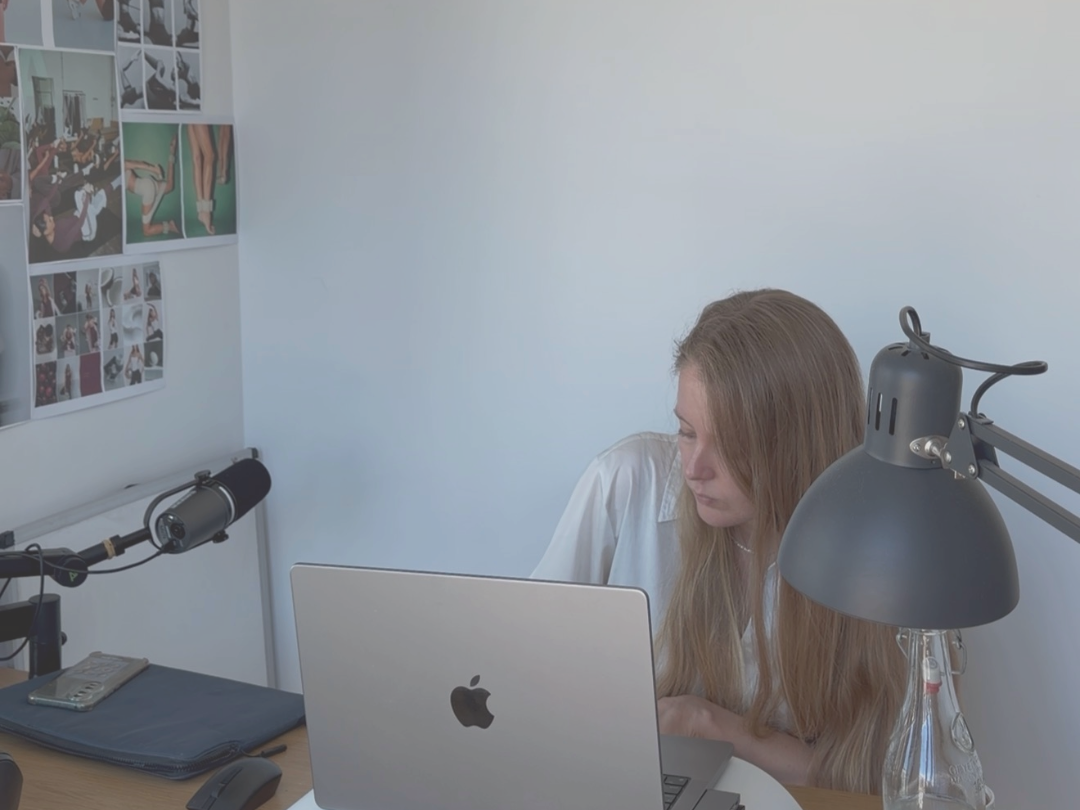
Author strategising for the 21-day membership campaign
The Pattern
On the surface, this studio made the right first impression.
With its picture-perfect aesthetic, an interior curated to create a feeling of calm and a scent some clients compared to that of a Dubai mall, it ticked many of the boxes associated with a premium wellness brand.
Its Instagram engagement also hinted it was a desirable Pilates destination. Influencer visits drove high engagement through collaborative posts; an exclusive event held at an aspirational brand’s shop was still sending traffic to the studio’s page months later; and local music artists attending a private session prompted another wave of engagement.
Despite the impression that these signals might suggest high demand for the studio, the reality was very different.
The studio’s 10-class monthly membership had historically averaged only around 1.19 sales per month since opening.
The low sales were not because the studio lacked aesthetics or visibility. They were because the visuals were being asked to do all the legwork: create demand, explain the offer and convert interest into sales.
But when a £180/month membership carries a two-month minimum commitment, an aesthetic studio and nice-looking content are often not enough to persuade someone to make a £360 decision.
The aesthetics matter because they communicate the studio’s promise of quality and standards. But if there is no message more substantial than “this is an aesthetically pleasing studio” beneath the content, there is little reason for someone to commit to that studio, to that offer or to buy now (or ever).
The Practice
For this campaign, I stopped treating content as the end goal and instead used it as part of the solution.
Before posting anything, I spent time understanding the studio and its ideal audience. I then strengthened the membership offer with bonuses designed to appeal to that audience, available only to those who signed up during the campaign window.
Lastly, I created a campaign narrative and messaging matrix that positioned the membership as the structure supporting the ideal customer’s transformation.
From there, every piece of Instagram content had a job—to reinforce the offer narrative, sell the identity achieved through the offer, create awareness of the membership or increase its desirability and move the ideal customer closer to purchase.
The off-feed Story content fulfilled the same function, ensuring that every visible touchpoint was telling the same story.
But the content was still only the tip of the iceberg: the attractive point of entry for interested leads. Beneath the waterline sat an infrastructure of outreach and follow-up designed to nurture and convert that interest.
The aim was never simply to make the feed prettier. It was to turn the feed into the studio’s own PR machine—a public-facing way to promote the membership offer and bring interested people into the conversion ecosystem.
The Proof
Across the 21 days, the campaign included 19 feed posts, a daily Story rhythm, nine emails, 218 written Instagram DMs, 13 personalised voice notes, four in-studio conversations with interested leads, three content shoots and one designed-and-delivered event.
During this period, the studio’s offer, content, follow-up and member experience began to tell one more unified story: that the studio offered its audience more than Pilates classes alone.
That was reflected in the sprint results.
Ten 10-class monthly memberships were sold. Subscription payments rose by +27% and subscription revenue rose by more than 41%. Net payment revenue increased by approximately +24%. Average bookings during the sprint rose by +27% a class against the studio’s historical average.
The campaign also included a fully booked class with two people on the waitlist—the studio’s first since opening.
I cannot fairly separate which buyers were influenced by the content aesthetics, the offer story, the follow-up, the campaign timing or the wider member experience. That would be dishonest.
But this campaign made one thing clear:
A studio’s visual world becomes commercially useful when it is used to promote an offer and reinforce its promise.
Aesthetics can open the door and create the expectation. Sales are the result of what happens once interested leads come through it.
The question I would now ask is: are my studio’s aesthetics benefiting the studio commercially—or are they simply there for show?
If yours are leaning more towards show, email me at jessicasabry@eastxwestmedia.com and tell me about your studio. I’ll tell you the first thing I would look at.